This essay accompanies Episode 2 of Rebecca's Third Act. (link to YouTube video)
What happens when your body changes the rules on your creative practice? A little over a year ago, I was diagnosed with Ehlers-Danlos Syndrome, a chronic connective tissue disorder that has fundamentally shifted how I move through the world—and how I make art.

This isn't a hero's journey story where I fought valiantly and emerged triumphant. Chronic illness doesn't work that way. It's messy, unpredictable, and ongoing. But there's community, unexpected wisdom, and even beauty in learning to work with a body that has different rules than I thought.
The Long Road to Diagnosis
The path to my diagnosis began in earnest with long COVID in 2022. As for many people, COVID seemed to amplify symptoms I'd been living with—or ignoring—for years. What I'd considered normal turned out to be anything but.
It's not normal to be in pain every day. It's not normal for that pain to migrate unpredictably—knees one day, hips the next, back the day after. My physical therapist noticed the pattern: we'd fix one thing, and something else would immediately create a problem. She gently suggested there might be something underlying going on.
I also realized it wasn't normal to need to take to my bed for two or three days with crushing fatigue and no other discernible symptoms. Through research, online support, and conversations with others navigating similar experiences, I began to understand that I had hypermobility—and quite possibly Ehlers-Danlos Syndrome.
Eventually, I found my way to an expert who confirmed the diagnosis. Having a name for what was happening made a huge difference. Not because it fixed anything, but because it gave me a framework for understanding my body and making informed changes.
Incorporating Illness into Identity
The diagnosis was just the beginning. The harder work has been incorporating chronic illness into my identity. What does it mean to be a person with a chronic illness who tells stories for a living?
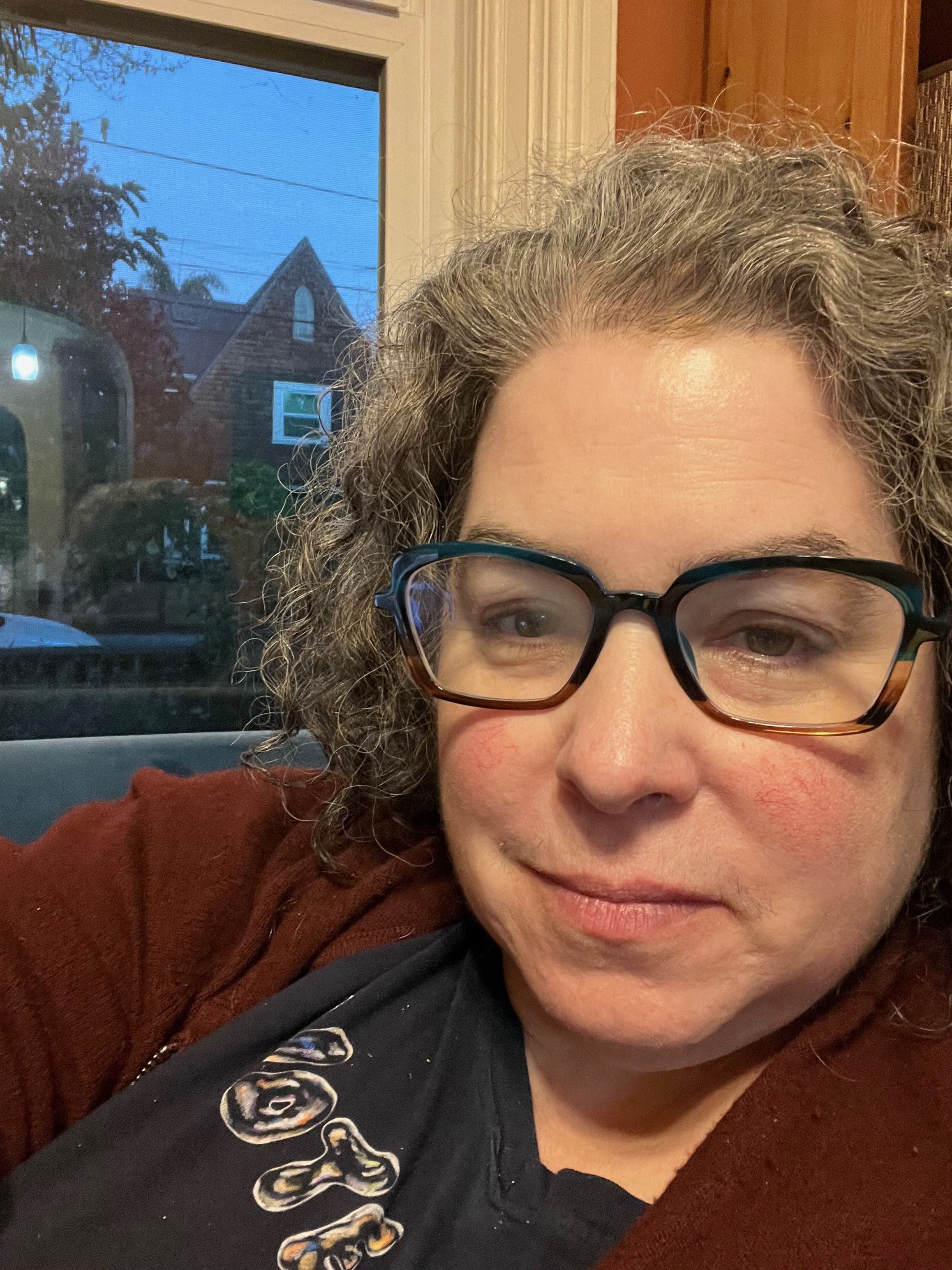
As a theater maker and writer, I swim in narrative structure all the time. I really wished my illness would follow that familiar arc: struggle, perseverance, triumph, healing. But chronic illness resists that shape. It's chronic. You can improve your baseline. You can also have everything get worse for no reason you can identify. It's far more random than any hero's journey.
Expanding my vision of what kind of story I'm living has been one of the most challenging aspects of this journey. I'm not moving through troubles into triumph. I'm learning to live inside uncertainty and variability, which requires a different kind of narrative imagination.
It's also meant absorbing new vocabulary: dynamic disability (some days much worse than others), invisible disability (often no outward signs of illness), spoon theory (tracking and allocating limited energy). I'm learning to navigate doctor's appointments two or three times a week, changing things carefully one variable at a time to understand what helps and what doesn't.
The Question of "Disabled Enough"
I find myself continually questioning whether I am really disabled enough to use that term. Am I disabled enough to call myself disabled?
Last winter, on a trip to New Zealand, I started using a cane. It was a powerful and frightening moment—carrying this visible symbol of disability felt vultenrable. But it immediately made a difference. Stairs became easier. Uneven ground became manageable.
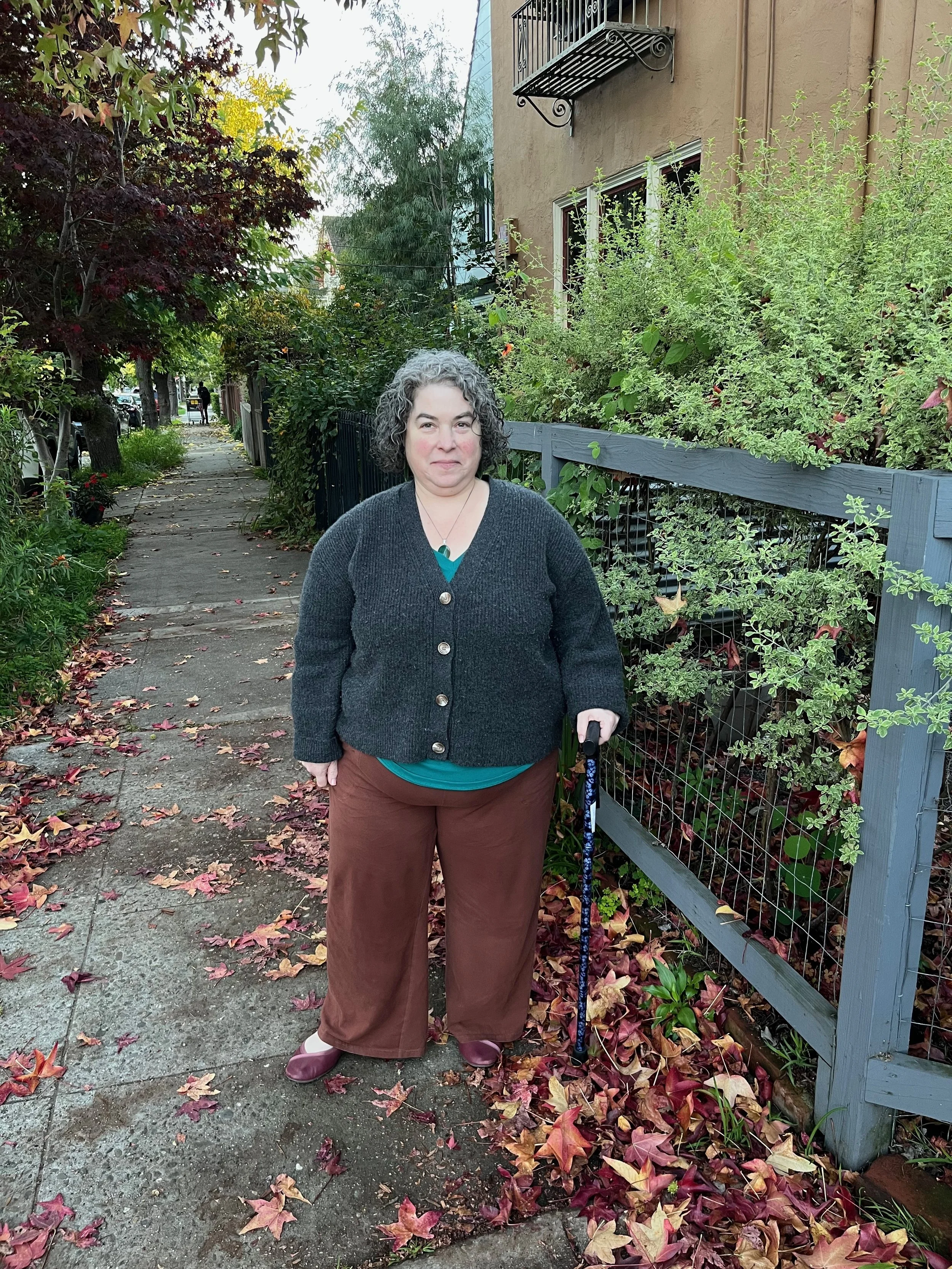
The cane also did something unexpected: it made my invisible disability visible. People offered seats. Venue staff directed me to accessible bathrooms and seating. "Oh, you shouldn't stand in line—sit here and we'll come get you." The practical accommodations were genuinely helpful.
But visibility came with complications. People assumed I was older than I am. They assumed I was sicker than I am. I'm still exploring when I want the cane and when I'm comfortable without it, navigating the complicated relationship between visibility, assumption, and access.
Learning My Real Limitations
Beyond the question of identity lies the practical work of understanding what I actually can and cannot do.
I struggle with activities that require alternating walking and standing—which makes protests particularly difficult. I’m sure you can all appreciate that this year it’s been very galling to have to sit out the growing protests and marches. I'm still looking for good solutions there.
Standing cocktail parties are essentially impossible; I'm learning to sit and let people come to me.
Some situations require careful advance planning. When we moved my daughter into her college dorm this summer, I knew I couldn't carry boxes up stairs or stand for extended periods. We strategized together, and she assigned me the role I could manage: deciding where everything should go. Having family support to work around my limitations is a privilege I don't take for granted.
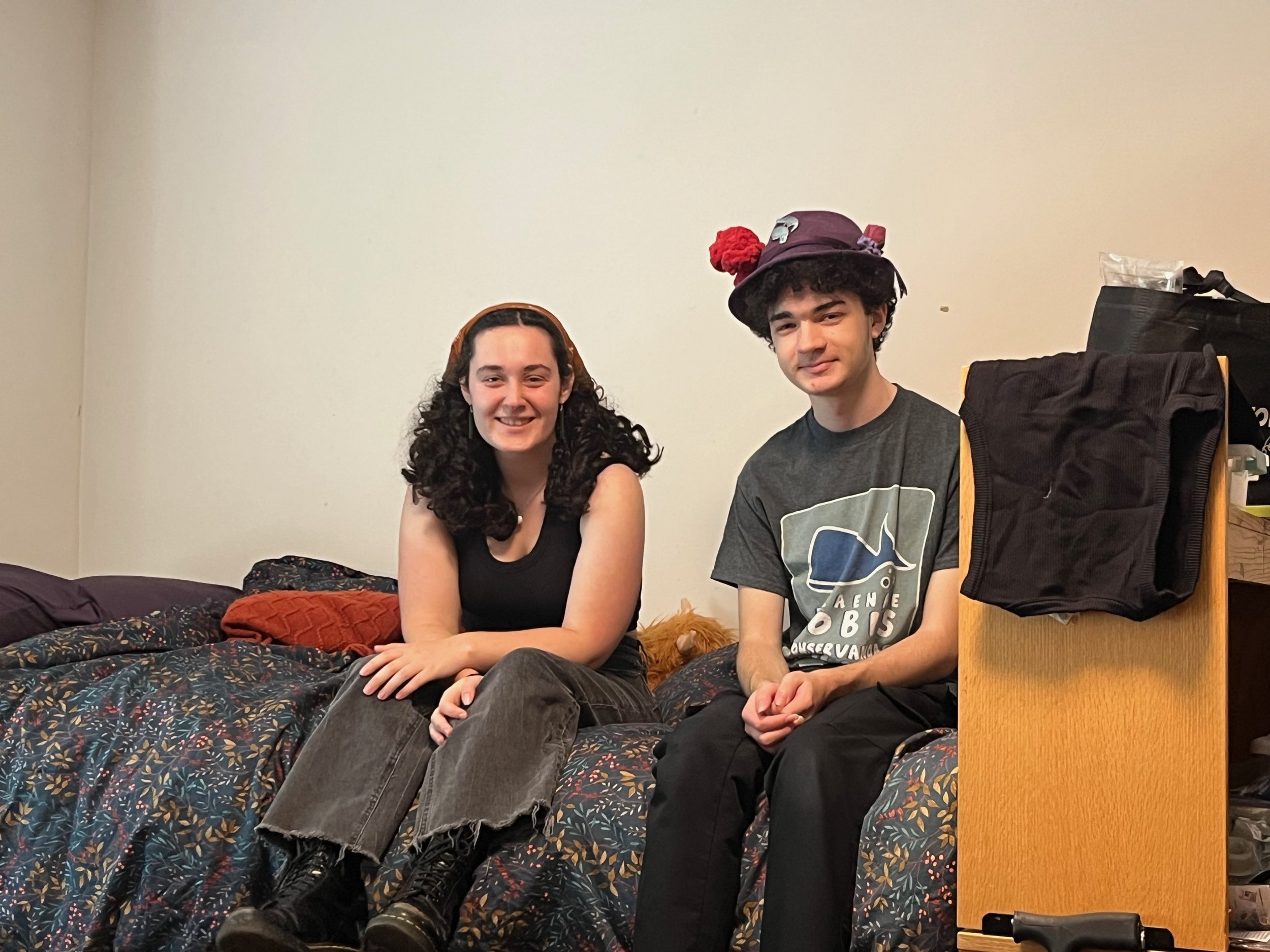
As I get clearer about my capacities, I'm better able to conserve energy for what matters most. It's not about doing less across the board—it's about doing less of what depletes me so I have reserves for what's meaningful and necessary.
Finding Community and Vision
One unexpected gift of this identity shift has been finding community. I've connected with other people living with Ehlers-Danlos Syndrome both in person and online. The chronic illness community thrives online partly because it's a more accessible space for many of us who sometimes can't leave our beds. If you're navigating chronic illness, I encourage you to explore what community exists in digital spaces.
I've also been deeply moved by the vision of the disability justice movement: the understanding that there is genuine beauty and power in engaging with the world differently. Not in spite of disability, but because of it.
This lens has opened my awareness to neurodivergence as well—the ways people with different neurological experiences engage with the world. My family's recent ADHD diagnoses (my husband and both teenagers) have given me new perspective on how brains work differently and how most systems aren't designed for that diversity.
I'm still exploring what this disability lens will bring to my art-making. How does understanding access, pacing, and diverse embodiment change how I think about theater? What stories become visible when I look through this framework? What collaborative possibilities emerge?
Artist Spotlight: Honoring Alice Wong
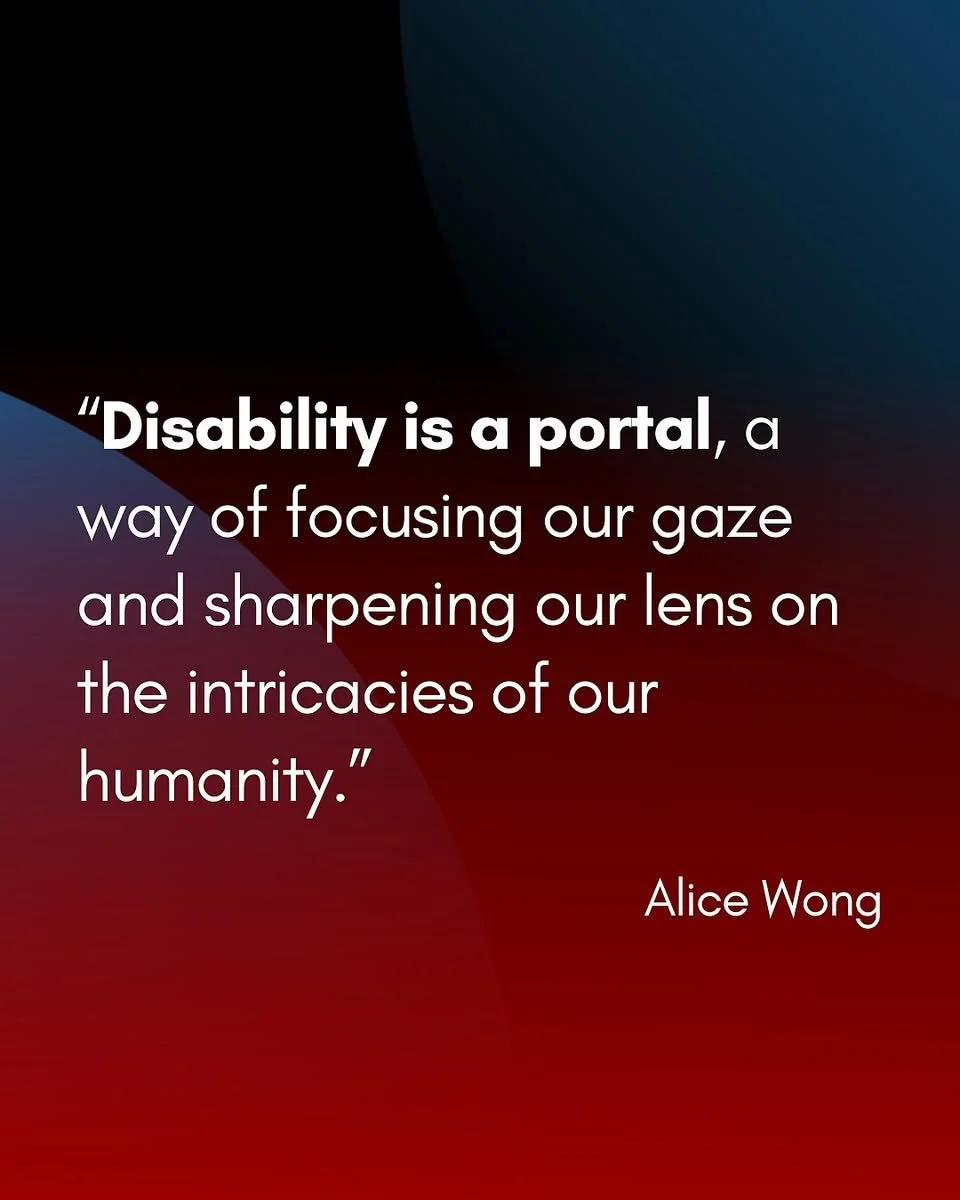
I want to close by honoring Alice Wong, the pioneering disability justice activist and writer who left us last week. She was a powerful of someone who shared a vision that existed not in spite of her disability, but because of it. Her work—particularly the Disability Visibility Project—created space for disabled voices and perspectives that had long been marginalized.
Alice modeled what it looks like to center disabled experience, to refuse inspiration porn narratives, and to build community and culture from a place of disability pride. Her loss is profound, and her legacy will continue shaping how we understand disability, access, and justice.
Resources for Managing Chronic Illness
If you're navigating chronic illness alongside creative work, I've compiled a free guide: Tools for Managing Chronic Illness. It includes products that help me manage unpredictable energy and pain, pacing strategies, and resources for understanding your diagnosis. Download it here.
Some tools I mention in the video and guide:
Visible app: Helps track activity and energy to understand your limits
Spoon theory: A framework for thinking about limited energy
Mobility aids: Canes, braces, and supports that expand what's possible
Online communities: Spaces to connect with others managing similar conditions
What's Next
Living with chronic illness means accepting that some questions don't have neat answers. Am I disabled enough? What story am I inside? How will this shape my art?
I'm sitting with those questions rather than rushing to resolve them. What I know is that my body has changed the rules, and I'm learning to work with those changes rather than against them.
If you're navigating similar territory—chronic illness, disability, or simply the reality that bodies change and age—I'd love to hear from you. What discoveries have you made about identity, creativity, and limitation? What communities have supported you? What questions are you sitting with?
Let's keep the conversation going. Because one thing I've learned: we're not alone in this, even when it feels that way.
Rebecca's Third Act is a video and blog series documenting my midlife reboot—reimagining life, art, and purpose as a theater maker, parent, and writer navigating chronic illness and change. Subscribe to the YouTube channel and follow along as I figure out what's next.